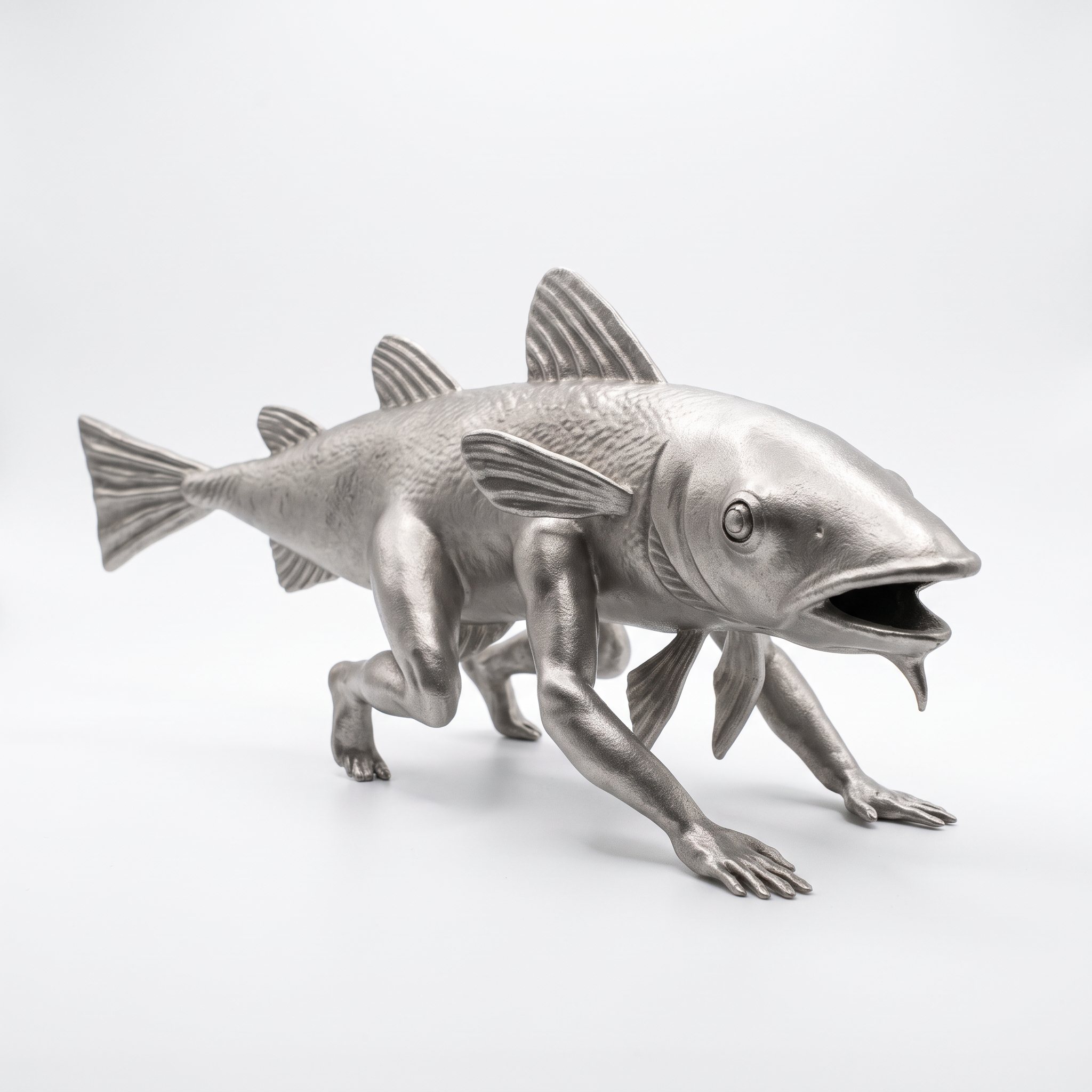
Torsk begins with 3D scans that are digitally reworked and transformed into a hybrid figure, combining the body of a cod with human features. The digital sculpture is materialized as a 3D-printed aluminium object, bringing the scanned and digital form into the physical world.
In Danish, torsk means cod, but it is also used as an insult for someone who is foolish or stupid. The work explores what this insult could look like if it were made into a physical being — humanizing the word and giving the “torsk” a body of its own.
The project explores the meeting between digital processes and metal practice, while questioning where the human ends and the animal begins.
In Danish, torsk means cod, but it is also used as an insult for someone who is foolish or stupid. The work explores what this insult could look like if it were made into a physical being — humanizing the word and giving the “torsk” a body of its own.
The project explores the meeting between digital processes and metal practice, while questioning where the human ends and the animal begins.
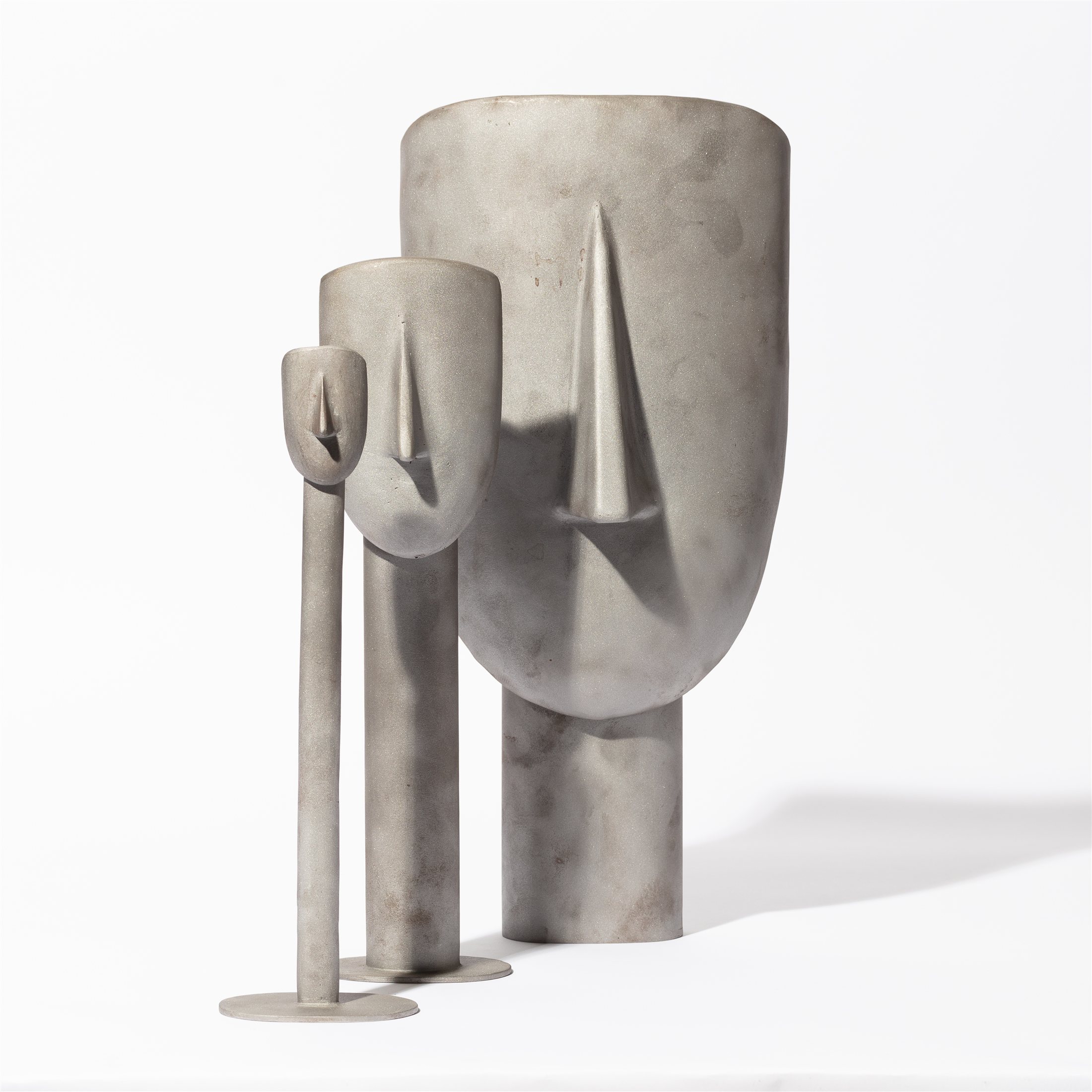
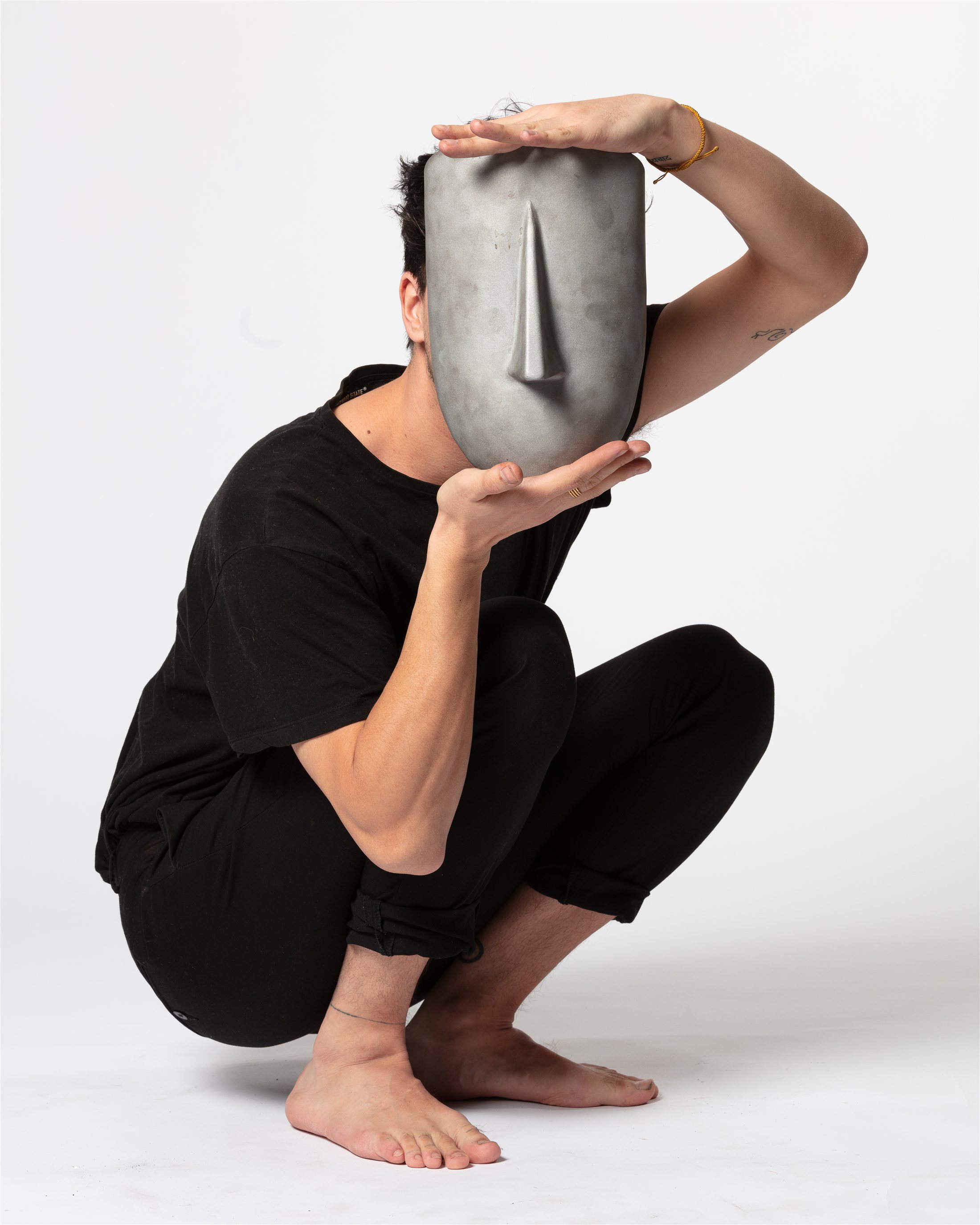
Scale explores proportion through three variations of the same figure. The faces are scaled down from one sculpture to the next, while the necks do the opposite, becoming progressively longer. The base plate remains identical throughout, creating a fixed point between the changing parts.
Rather than treating scale as a simple question of making something bigger or smaller, the work uses it as a way of shifting the relationship between parts. As the face becomes smaller, the neck stretches further, creating an almost playful tension between the different elements. The three figures become a study in proportion, repetition and imbalance, where one simple change affects how the whole body is perceived.
Rather than treating scale as a simple question of making something bigger or smaller, the work uses it as a way of shifting the relationship between parts. As the face becomes smaller, the neck stretches further, creating an almost playful tension between the different elements. The three figures become a study in proportion, repetition and imbalance, where one simple change affects how the whole body is perceived.
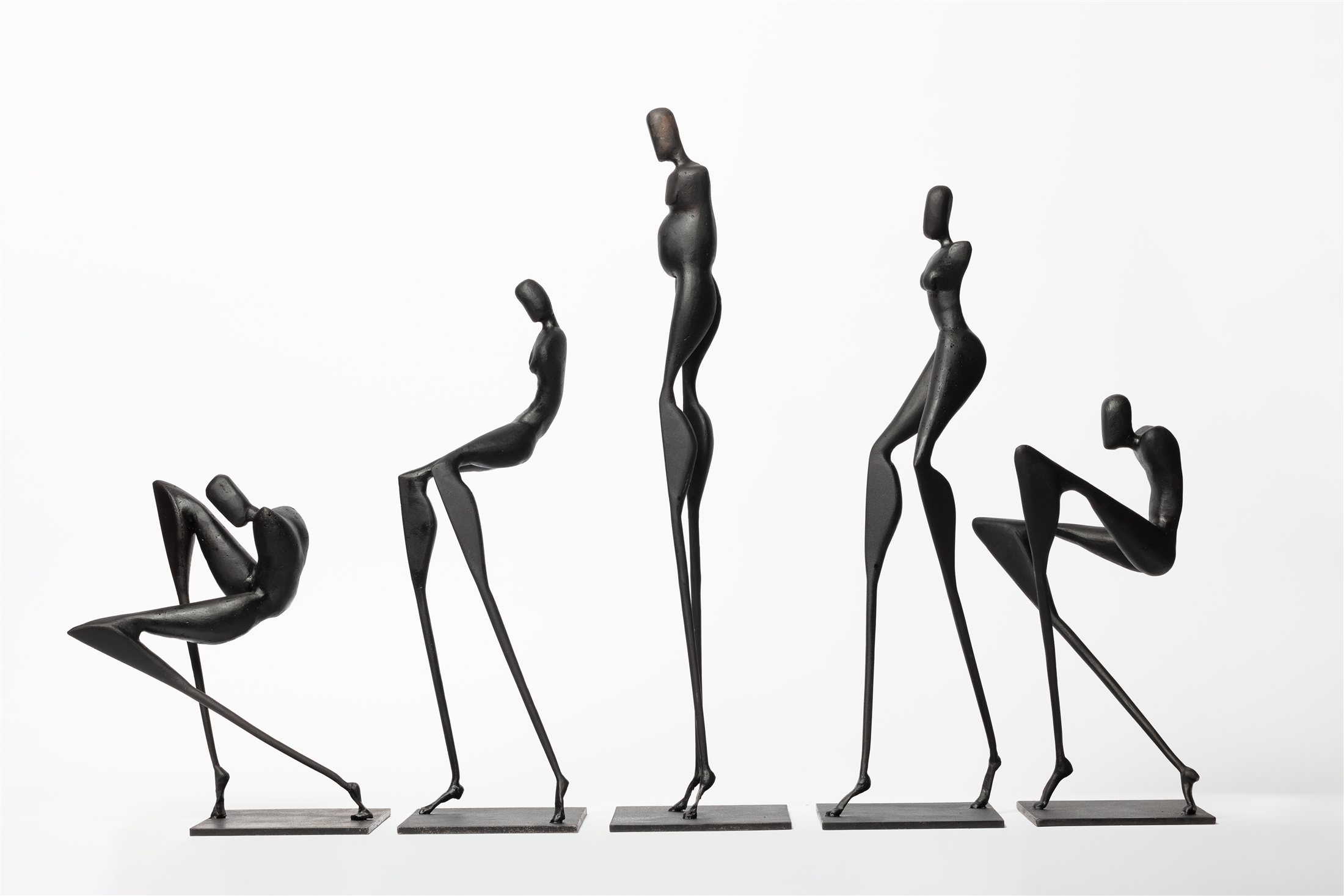
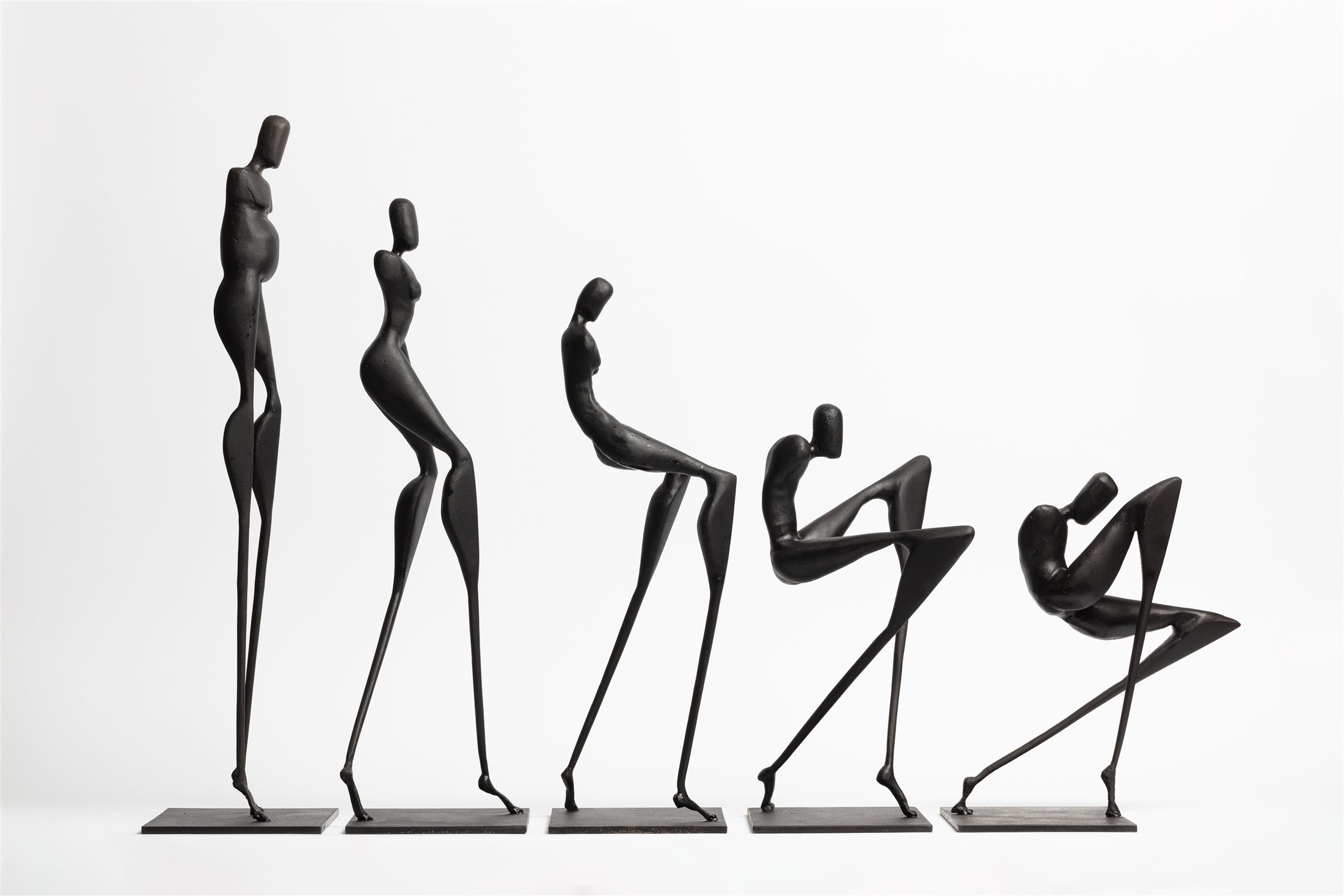
The Pillar People explores the individual within a fictional collective. Five figures come together around themes of community, power, hierarchy, conformity, individuality, and social structures.
A white figure stands in the quiet surroundings of Håjums Kyrkogård in Trollhättan, its face open to the wind.
The work explores ego death through themes of identity, absence, transformation, and the feeling of no longer knowing your own face.
The work explores ego death through themes of identity, absence, transformation, and the feeling of no longer knowing your own face.
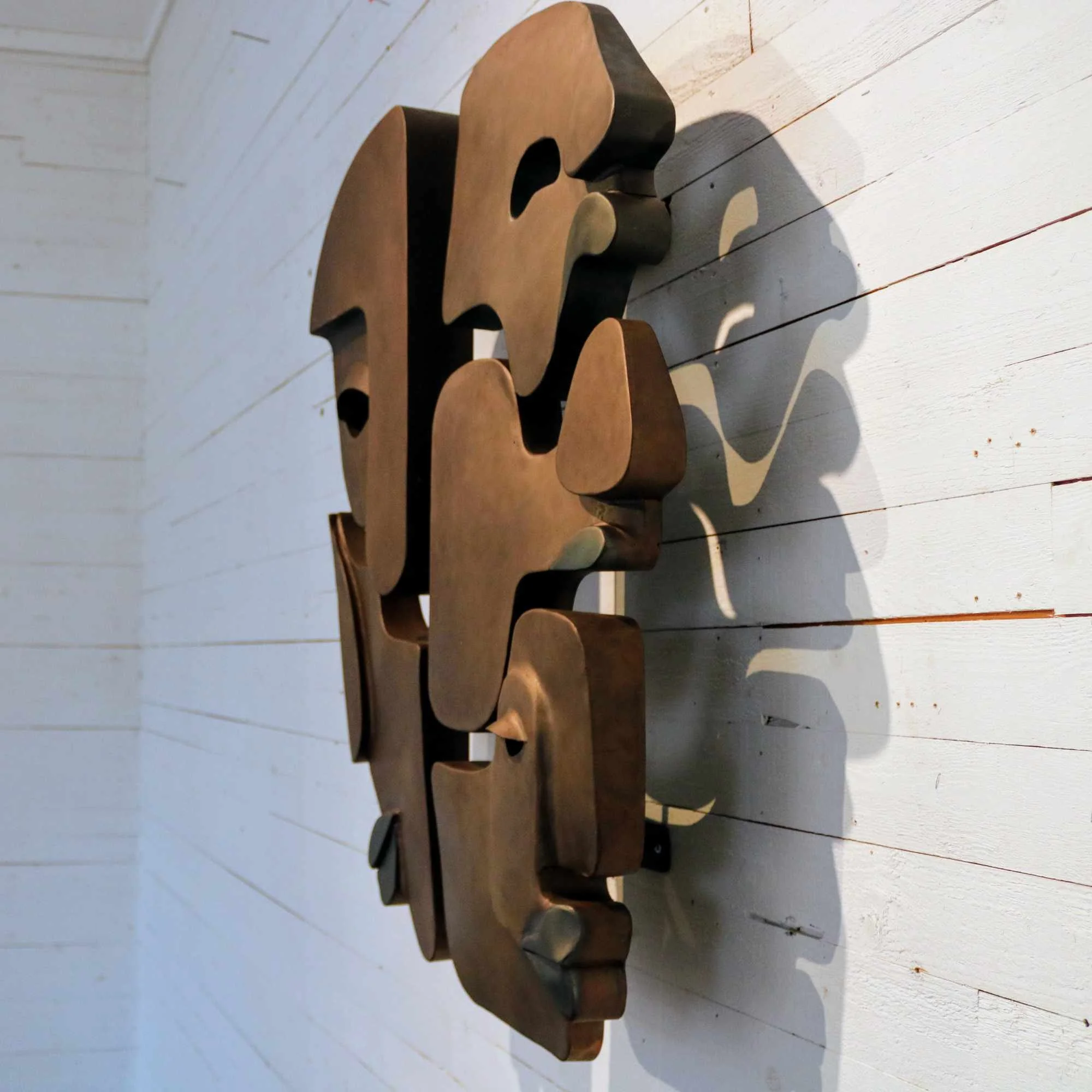
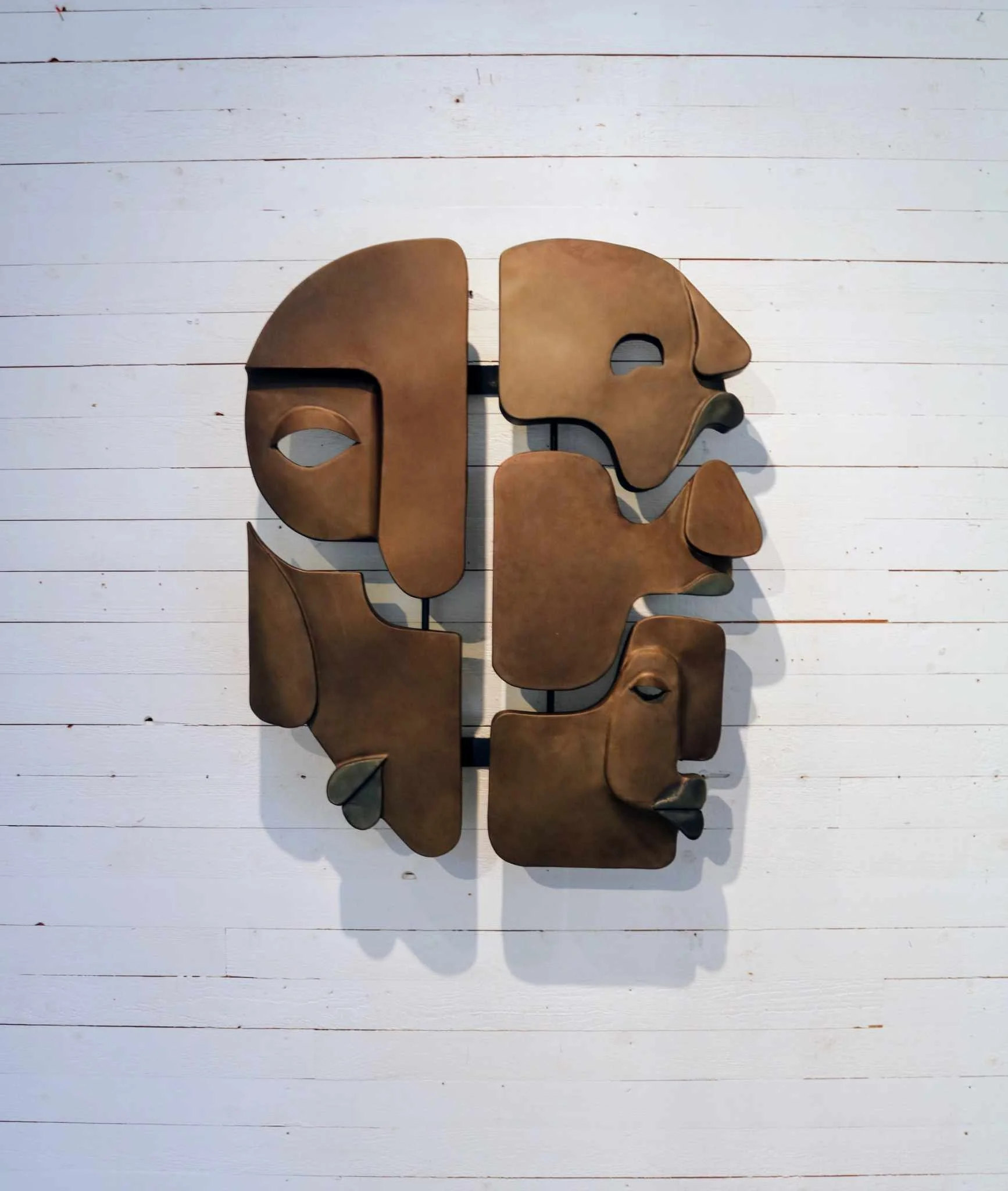
Inspired by personal experiences with mental health, this work explores bipolar disorder through fragmented faces and contrasting emotional states. The fragmented figure becomes a visual language for shifting identities, moods, and inner conflict, reflecting the complex relationship between the different states of the self.
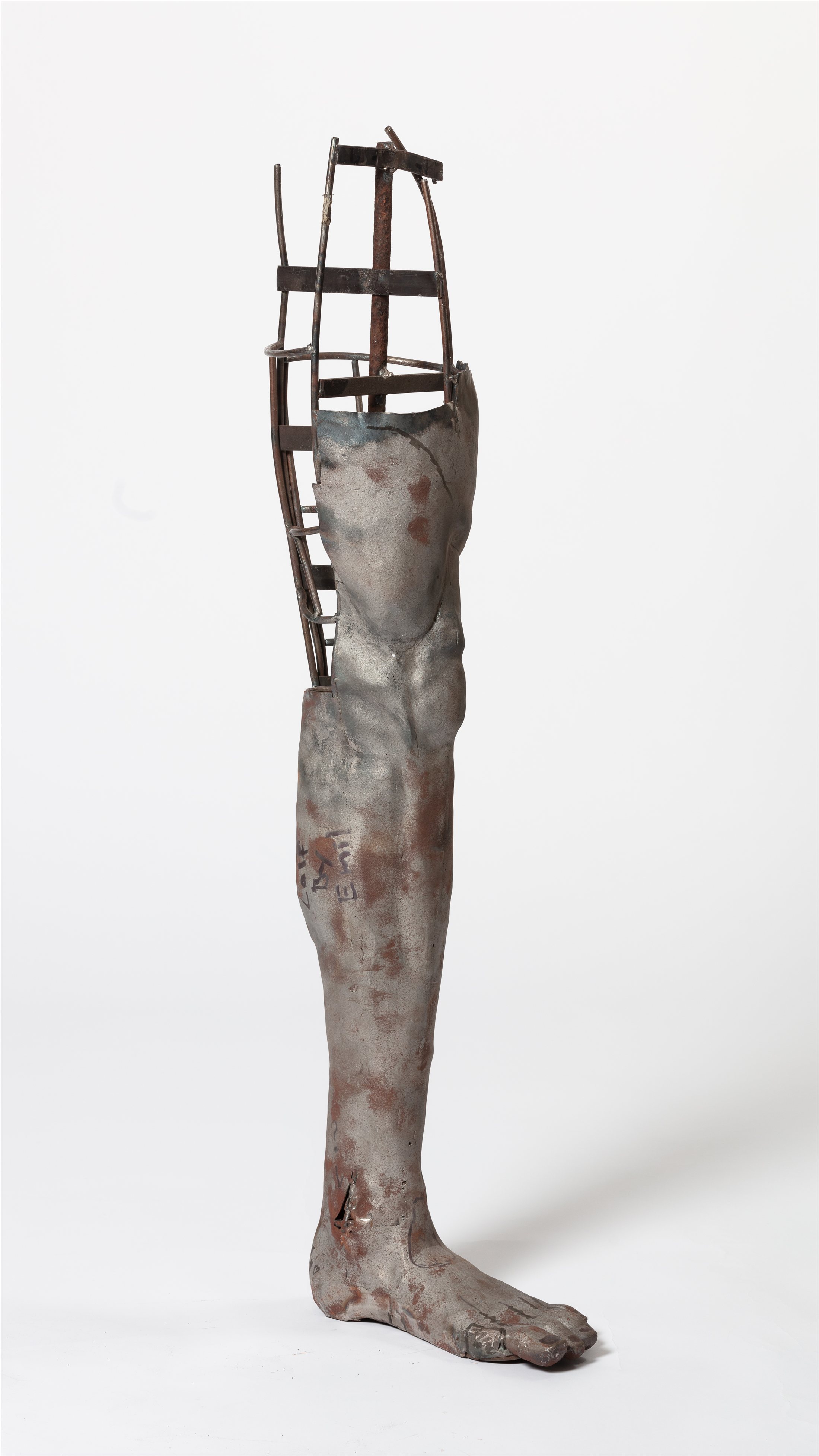
Leg
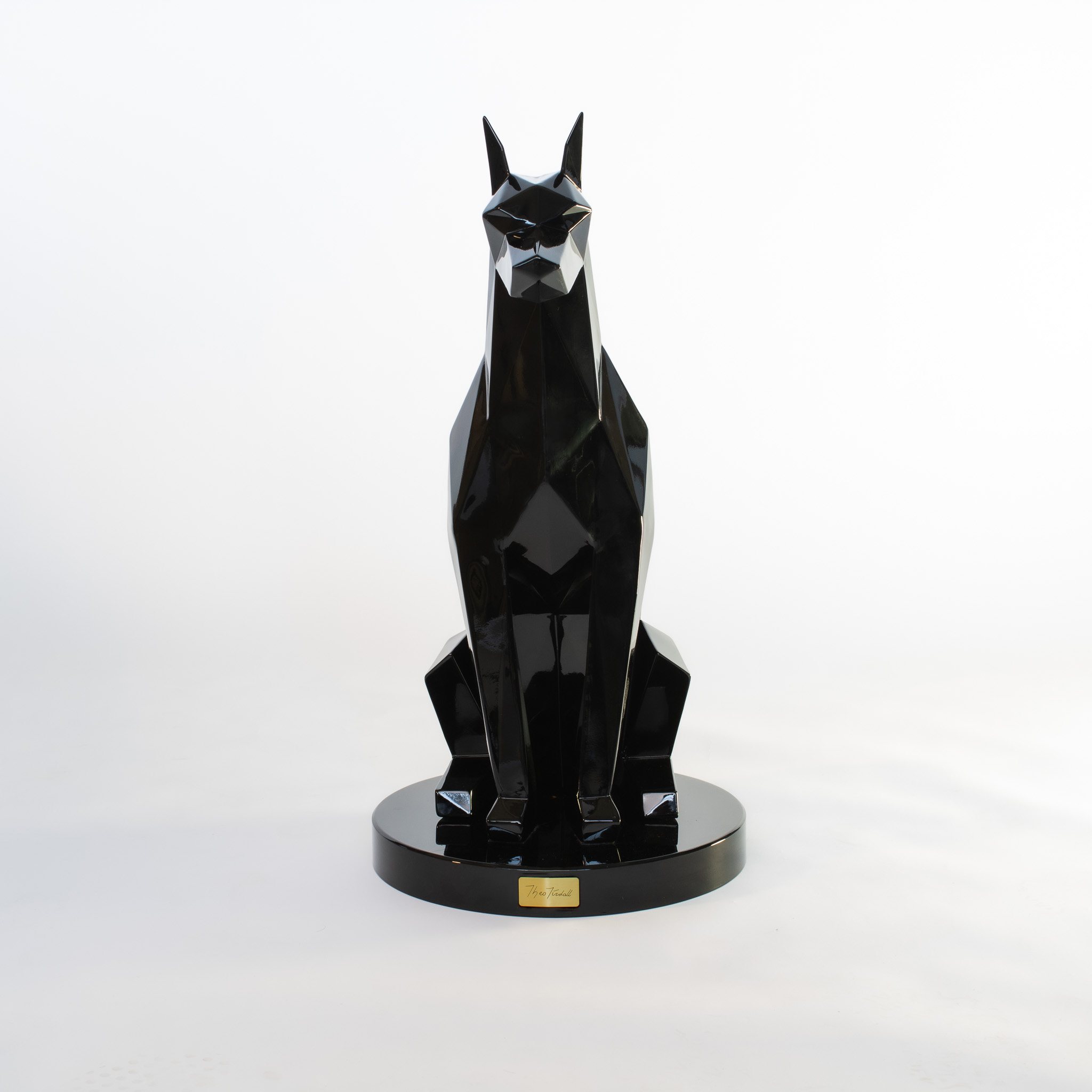
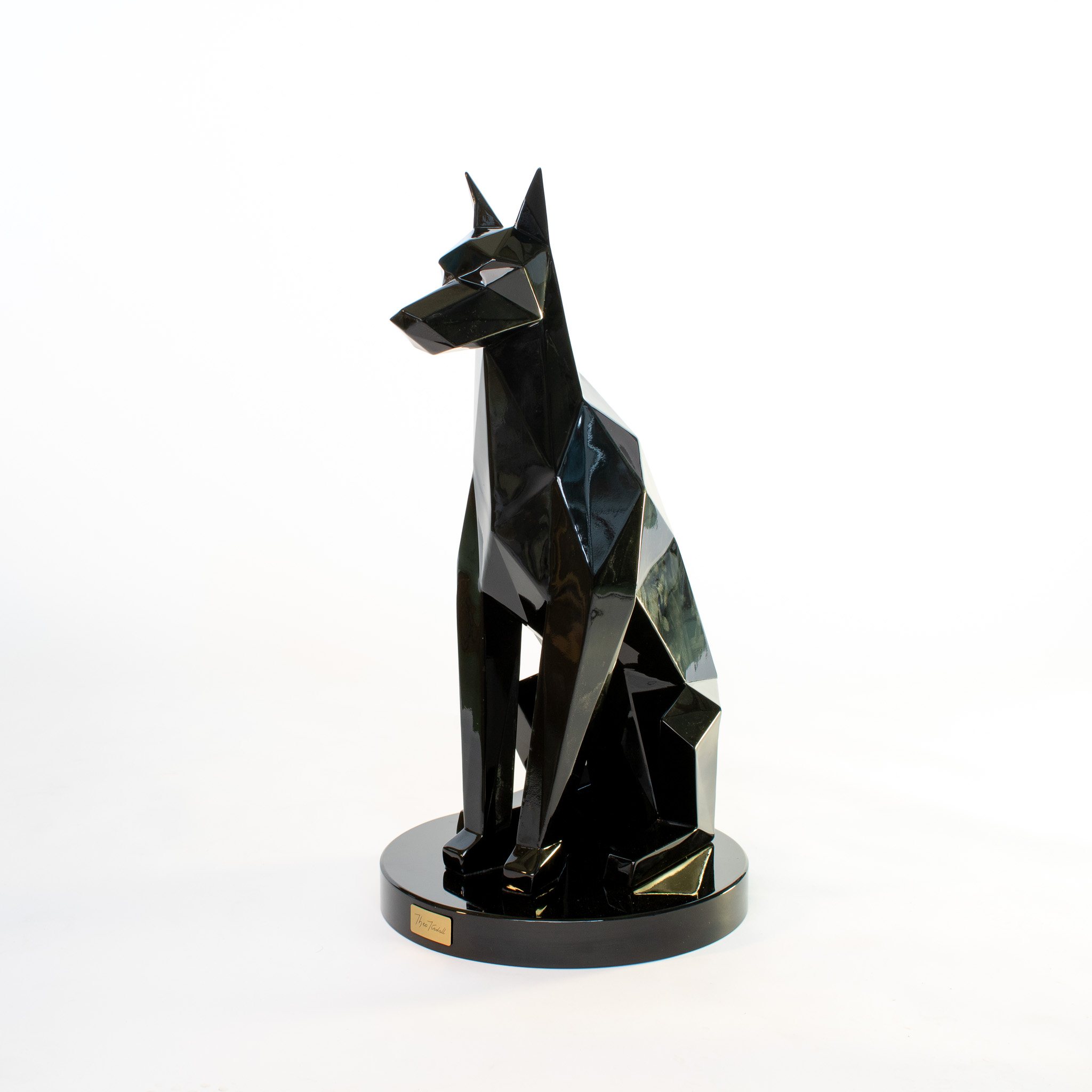
The Black Dog is part of the same series as Stag, made through the same process and developed alongside it. Like two siblings, the sculptures share a language while taking on different characters.
The familiar body of the dog is broken down into simple geometric surfaces, creating a tension between the natural and the constructed. Together, the works explore naturalism through a digital and low-poly vocabulary.
The familiar body of the dog is broken down into simple geometric surfaces, creating a tension between the natural and the constructed. Together, the works explore naturalism through a digital and low-poly vocabulary.
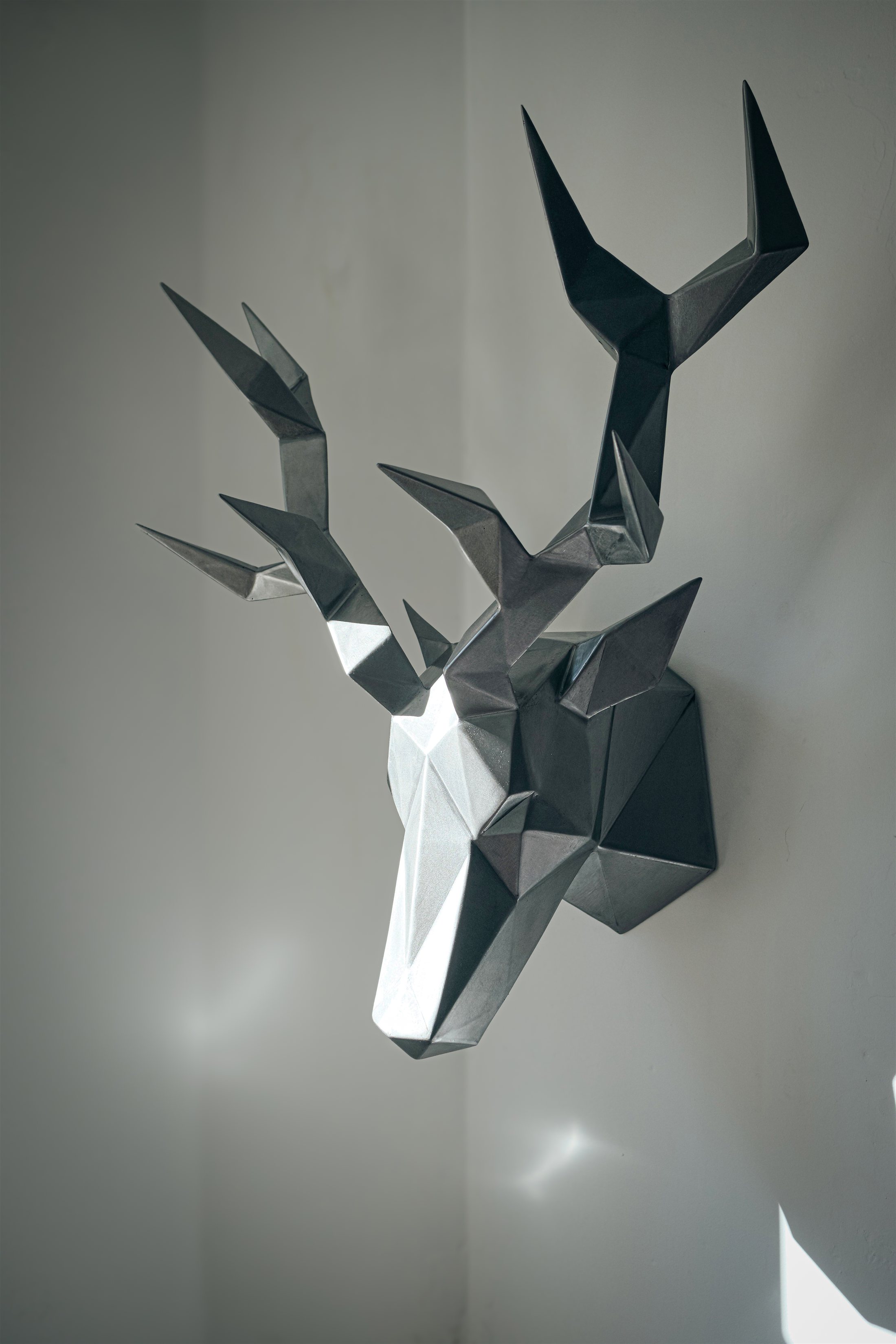
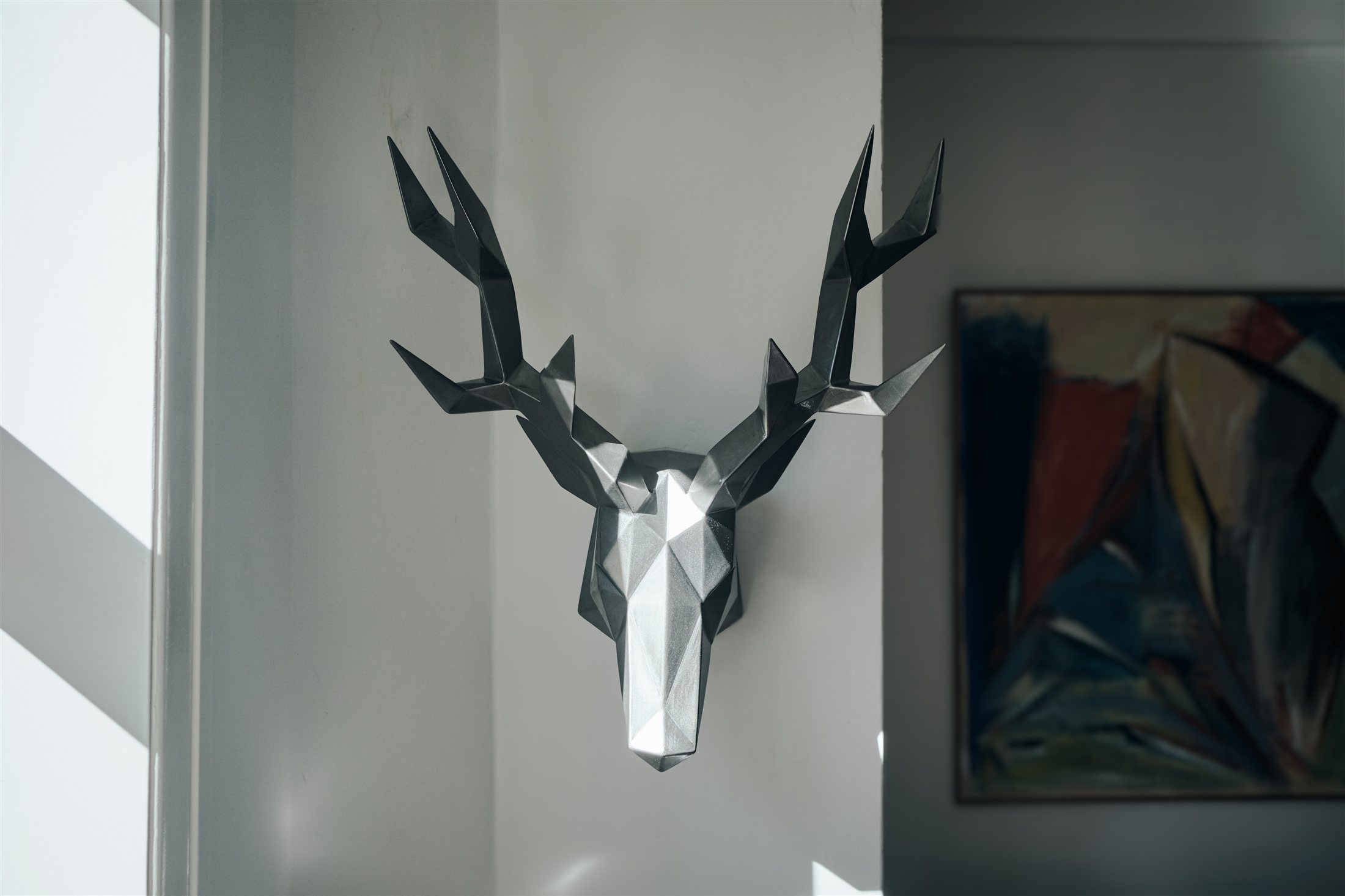
Stag is part of a series of low-poly animal sculptures made alongside The Black Dog. The two works are made through the same process and share an interest in the space between naturalism and abstraction.
The stag is built from simplified planes, reducing the familiar animal form into something more constructed. Both works look at how far an animal can be altered before it begins to become something else — somewhere between observation, digital form and sculpture.
The stag is built from simplified planes, reducing the familiar animal form into something more constructed. Both works look at how far an animal can be altered before it begins to become something else — somewhere between observation, digital form and sculpture.